Category: Community-Led Development

  • The Power of a Glass of Water

    The Power of a Glass of Water

    Close your eyes for a moment and imagine waking up thirsty. You walk to the kitchen, turn on the tap…but nothing comes out. Or worse, the water that flows is dirty. Drinking it could make you sick. There is no other option.

    For millions of families, this is their daily reality. 

    Water is not just a matter of health—it is a matter of dignity. Being able to wash your face in the morning, prepare a safe meal for your children, or clean a wound—these should not be privileges. They are rights.

    Clean water does more than save lives. It is the key to development. Without it, a community’s progress comes to a halt. Children miss school due to illness, mothers spend hours collecting water instead of generating income, and hospitals lack the most basic resources to ensure proper healthcare.

    “When clean water reaches a community, everything changes!” – Dulce Maria Polanco De Paz

    When clean water reaches a community, everything changes! Water drives opportunity, growth, and stability. Children can study without interruption. Mothers can work and contribute to their family’s income. Small businesses thrive. Health improves. A simple well or a purification system can transform entire generations. 

    Because water is not just about quenching thirst—it is about hope.

    Providing access to clean water is an act of justice. It is the bare minimum needed for every person—no matter where they were born—to live with dignity and real opportunities for the future.
    Water is hope!

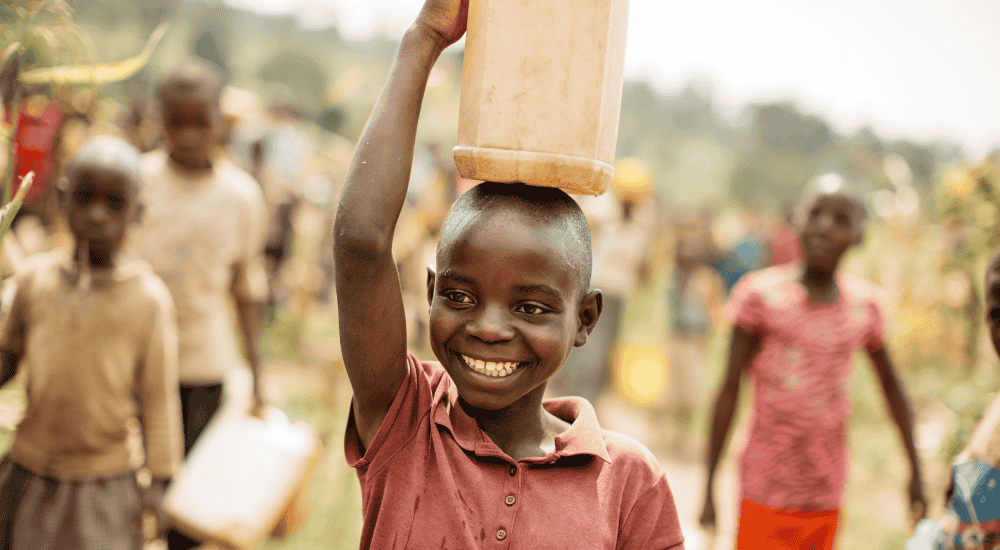
    For 2.2 billion people in the world, clean water is barely a dream. When water is scarce and unsafe, food security is threatened and the cycle of poverty accelerated. Here in Canada, most of us have “the maximum” access to clean water—meaning it’s safe, on the premises, and easy to access whenever we need it. For us, clean water has become both an expectation and an afterthought. But for families in our partner communities, clean water is a scarcity and a treasure. From healthy children and thriving families to education, food, and stronger communities, water is life and water is hope.
    Water is… Healthy Children

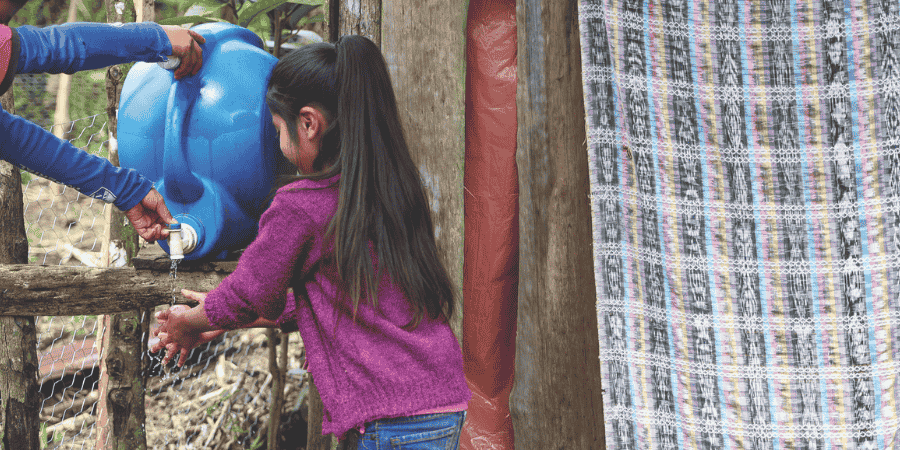
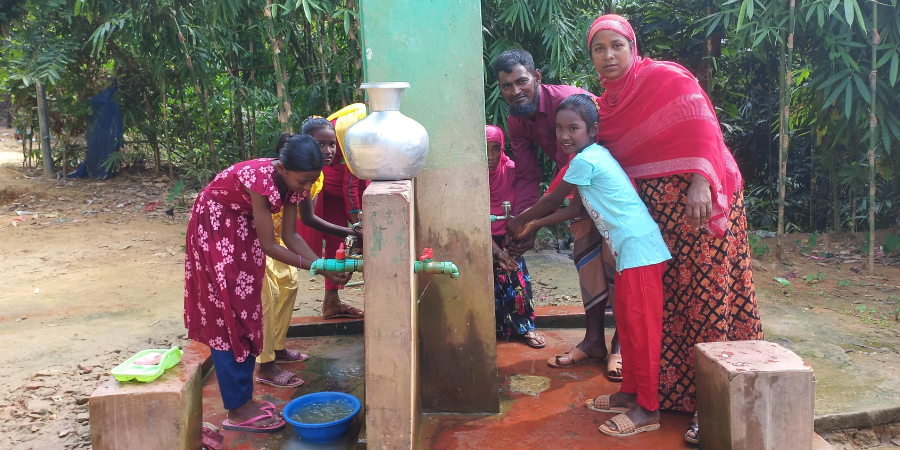
    Halima is in Grade 3 and thriving! But this wasn’t always the case. Because of poor hygiene in her community, she used to fall sick often. Her community lacked toilets and access to safe drinking water. “I learned a lot about the importance of health and personal hygiene. Since FH installed latrines, showers, and a handwashing station, our family has been using the toilet regularly, washing hands with soap, and drinking safe water.” For Halima, water is a healthy future.
    Water is… a Thriving Family

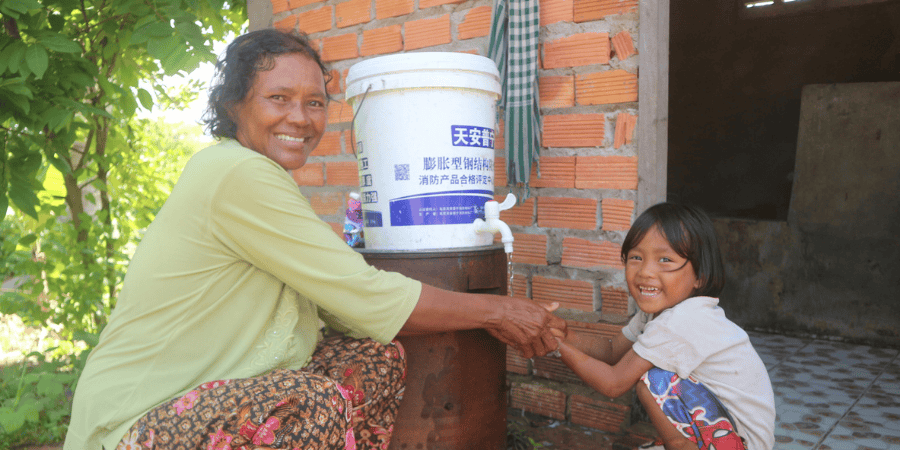
    Yut’s family collected water from a pond for dishwashing, laundry, and handwashing. They woke at 4 AM to collect drinking water from distant wells. Waterborne diseases made them sick and caused financial strain. Receiving a water filter and water storage jar along with hygiene training allowed Yut’s family to focus on making an income and going to school. “Improved health enables me to support my son’s education and benefit our daily lives!” For Yut, water is a thriving family.
    Water is… Education

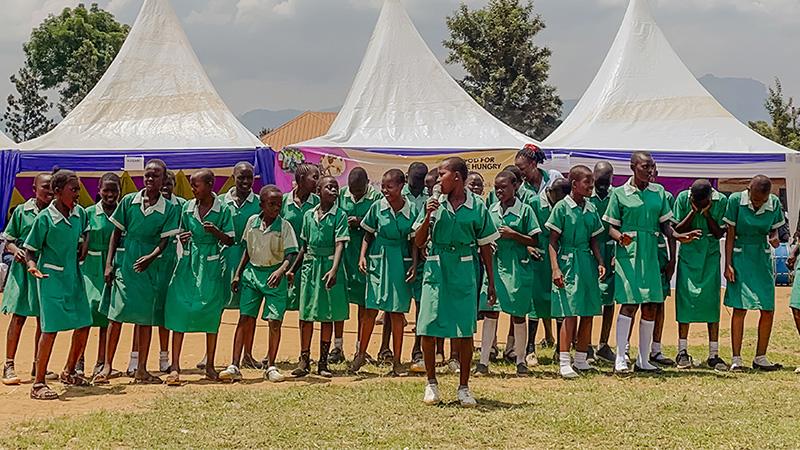
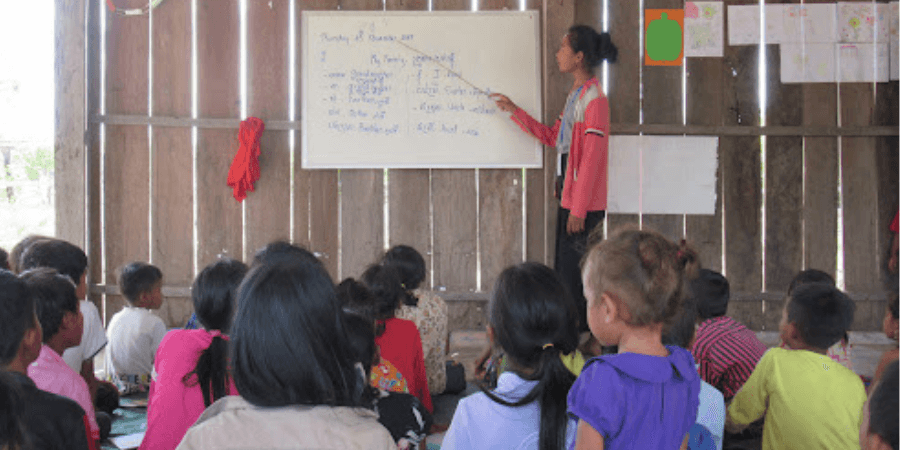
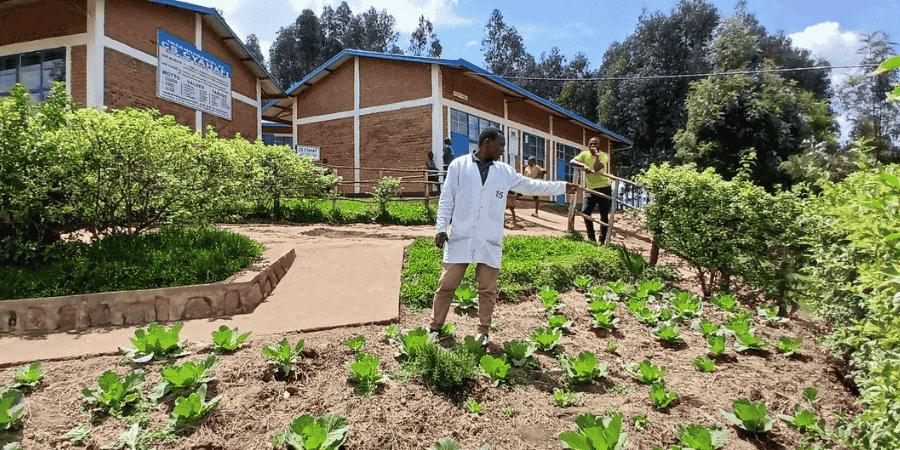
    “Water is life!” exclaims the head teacher at Cyahafi Primary School. His students used to fetch dirty water from a wetland, delaying classes, exhausting children, and spreading waterborne diseases. But a new FH water point now gives 600 students safe, clean water right in the school! Twelve new latrines provide sanitation and a school garden grows irrigated vegetables. Students are healthy and succeeding! For the Cyahafi Primary School, water is education.
    Water is… Food

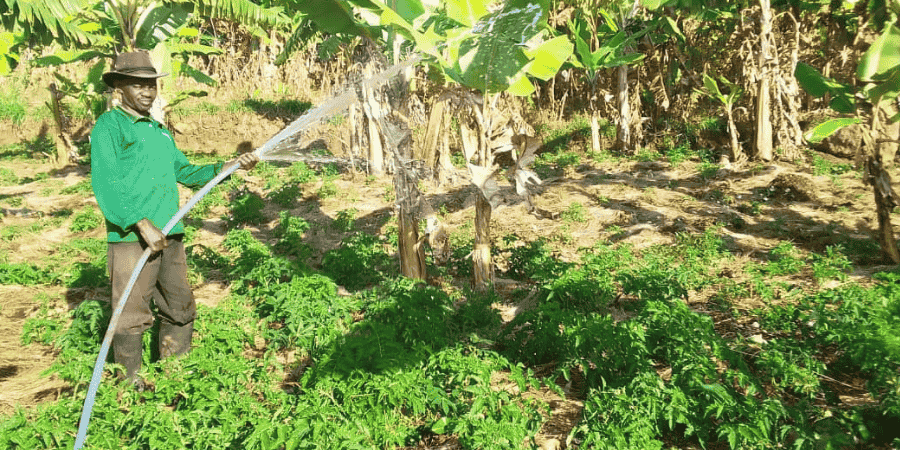
    Gervais’ land went barren in the dry season. They lost food and income, and had to purchase water to grow anything. FH Rwanda built a water pump and irrigation system and trained Gervais to use it. His farm thrived and income tripled! “I now have access to water at home and can meet my family’s needs. I maintain a kitchen garden, allowing us to enjoy a balanced diet every day.” For Gervais, water is food for his family.
    Water is… Strong Leadership

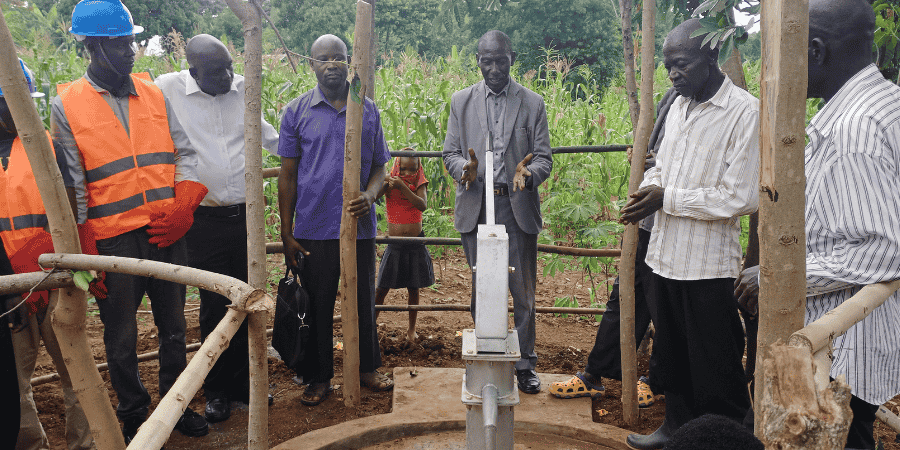
    “I was losing the respect of my community. People were drinking contaminated water—it was a big blow to me as a leader.” Joseph is a 72-year-old retired teacher serving in local government in Bukiende, Uganda. He wanted to keep his promise to deliver clean water, but the district didn’t have the funds. Then Joseph worked with FH to drill two boreholes in his community. “I feel so blessed because the legacy of my family is now restored by water… My community is very happy, too—the money they spent on treating waterborne diseases is now invested in farming and school fees.” For Joseph, clean water is being a strong leader.
    Clean water saves lives. You can give water and hope to families so their kids can grow up healthy and strong.

    give clean water

  • Jesmin says No! To child marriage

    Jesmin says No! To child marriage

    Globally, one in every five girls is married while she is still a child. 

    Child marriage threaten’s girls’ childhoods, health—both physically and mentally, and their access to education. And yet, many parents feel it is their only option.

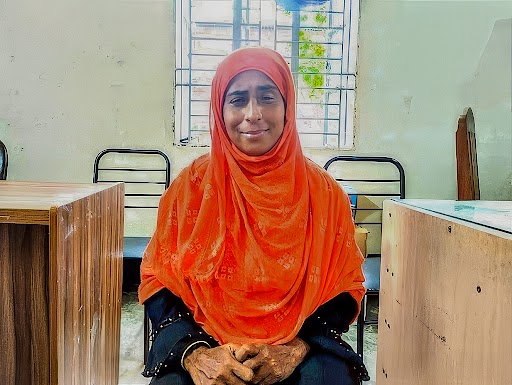
    Jesmin, a mother in Bangladesh, once felt this way. Her daughter, Keya, was struggling in school, and without money for a tutor, Jesmin couldn’t find a path forward. With no other options in sight, marriage seemed like the only answer to secure her daughter’s future. It would give her something meaningful to do—be a wife and mother—and a husband to feed and clothe her. A win-win, right?

    And yet, Jesmin knew that pulling her teenage daughter out of school and marrying her to an older man could expose her to domestic violence, as well as physical and mental distress.

    For millions of moms trapped in poverty like Jesmin, poverty leaves them with no real choice.. On top of the crushing weight of poverty, parents experience cultural and religious pressures to marry off their daughters. It feels almost impossible to say “No!” to child marriage.

    The truth is, Keya is still a child, she cannot be a wife!

    And she definitely should not become a mother—her body isn’t ready. Complications with pregnancy and childbirth are one of the leading causes of death for girls aged 15 – 19 in countries like Bangladesh.

    In reality, a marriage proposal for Keya was not a solution, it’s a life sentence. 

    When Jesmin joined FH Bangladesh’s Child Marriage No More project, she became one of 50 parents attending an awareness campaign. She then met bi-monthly with nine other parents to discuss stories that presented real-life scenarios related to child marriage.

    Jesmin saw her own life mirrored in the stories, relating to the characters and empathizing with the situations they were in. Her mind began to change.

    One story in particular struck home for Jesmin, convincing her that discrimination against daughters is wrong—equal opportunity should be given to girls and boys alike. The story showed how a girl like Keya needs extra support from her family and teachers, rather than giving up on her when she isn’t excelling in school. The story also showed the power of career-oriented technical education as an alternative to traditional education. Jesmin realized there were options for her daughter! Child marriage was not the only answer.

    Soon after, Jesmin received an attractive marriage proposal for her teenage daughter. Jesmin stood strong. Equipped to say “No!”, she confidently refused it.

    Through her Child Marriage No More parent group, she had gained the knowledge and confidence to do what was best for her daughter. Jesmin now plays an important role in ending child marriage in her community, advocating for teenage girls and persuading parents to say no to child marriage. Sweetest of all? Her relationship with her daughter is restored. She now treats her daughter as a friend, she tells us.

    Today, through the support of Canadians like you, Keya is at home with her family, studying hard, and looking forward to a bright future.

    With a gift today, you can help teenage girls say no to child marriage. A childhood can’t wait.

    Donate today!

  • 10 Fast Facts About Child Marriage

    10 Fast Facts About Child Marriage

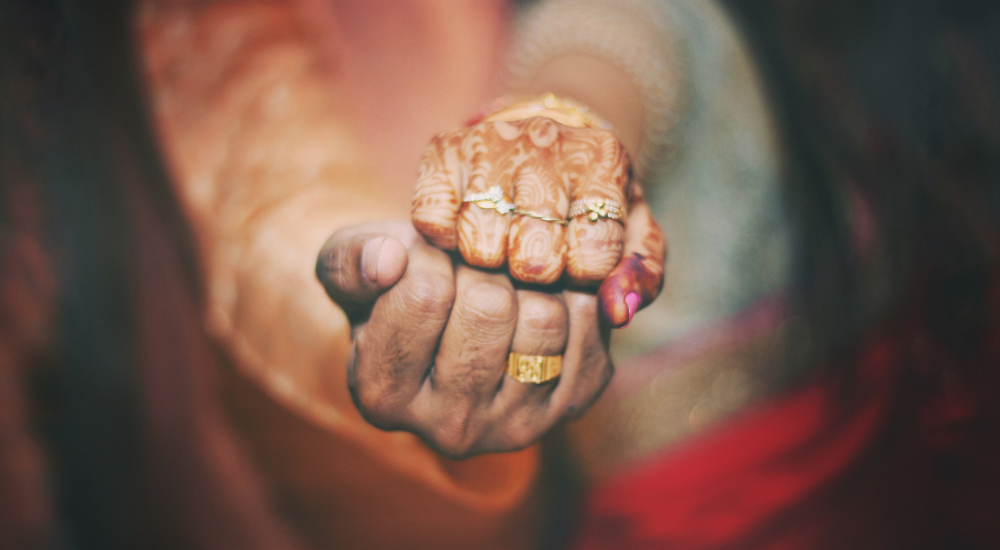
    Can you imagine your Grade 9 daughter getting married to a man two or three times her age? Unfortunately, that’s a reality for many families around the world, as one in five girls is married while she is still a child.

    The numbers are even more alarming in the world’s least developed countries—including six FH partner countries like Bangladesh—where the rate doubles to 40 per cent. This means four in ten girls are married before turning 18, and 12 per cent are forced into marriage before their 15th birthday. Often, to men twice their age. 

    It’s very fitting that the theme for International Women’s Day 2025 is “Accelerate Action.” It’s a call to do more, act faster, and work harder for gender equality worldwide.

    Child marriage demands urgent attention.  It’s a practice that strips millions of girls of their rights, education, and future.

    Child marriage has devastating mental and physical consequences for girls and women worldwide. It robs them of their childhood, education, and future opportunities, reinforcing cycles of poverty and inequality. Ending this harmful practice is essential to achieving true gender equality.

    You can fight child marriage through education and awareness. By understanding the root causes and impacts, you can take meaningful steps to support change for a better future.

    Here are 10 facts about child marriage and how you can help:

    —1.—650 million women and girls alive today were married before their 18th birthday

    This number is continually growing as an estimate of 12 million more each year are married before they reach adulthood.

    —2.—Married teens often get pregnant within their first year of marriage.

    In Bangladesh, almost half of all child brides give birth before the age of 18. This has serious implications on their mental health as they often experience psychological trauma from entering adult relationships when they are young and vulnerable. 

    —3.—70,000 girls die each year from pregnancy complications or childbirth.

    Becoming a child bride is dangerous. Pregnancy is one of the leading causes of death for girls aged 15 – 19 in developing countries like Bangladesh.

    —4.—Child brides are more likely to suffer miscarriages and stillbirths

    Underaged marriages don’t only have dire consequences for the girls, but also their children. Child brides are 50 per cent more likely to experience pregnancy complications, including miscarriages and stillbirths. Babies born to mothers under 20 are also at higher risk of low birthweight, preterm birth, and severe neonatal conditions. Child marriage puts both mothers and babies at risk.

    —5.—Girls who marry before 18 are more likely to experience domestic abuse.

    Girls who marry before 18 are especially vulnerable to violence from their husbands or their families. Research shows that girls who marry before 15 are twice as likely to experience domestic violence by their husbands compared to women who marry in adulthood.

    —6.—The larger the age gap, the more likelihood of violence.

    Husbands are usually much older than their child brides, resulting in higher rates of domestic violence. The greater the age gap, the more likely girls are to experience violence. There is an imbalance in power between young wives and their much older husbands who often deny them their autonomy. 

    —7.—Child brides are at more risk of contracting HIV/AIDS

    Young girls don’t have the opportunity to learn about safe sex practices, leading to higher rates of HIV infection. In 2016, more than one in ten new infections in Africa occurred among children aged 14 and under.

    —8.—Child Marriage threatens girl’s access to education

    Once married, girls often drop out of school and are expected to take on full-time household responsibilities. Stigma and gender norms often force them out of school, preventing them from finishing their education. Limited education restricts girls’ ability to acquire necessary skills, reducing their chances of entering the workforce and achieving financial independence.

    —9.—To eliminate child marriage by 2030, global progress would need to be 20 times faster

    According to data from United Nations Children Fund, progress is possible! In order to end child marriage by 2030 we’d need significant improvements in economic development, access to employment, and education at the secondary level for girls.

    —10.—Bonus: You can help end child marriage! 

    Your gift allows FH to educate communities about its dangers, shift perceptions of girls’ value, and promote gender equality. We create peer support groups for girls, teaching them the importance of education, and provide vocational training for mothers to support their families, reducing the need to marry daughters off early. Helping kids stay kids. 

    You can put an end to child marriage. With a gift today, you can help teenage girls say no to child marriage. A childhood can’t wait.

    Donate today!